RSI Motors RSI Motors

Essential Tips for Choosing the Right Brushless Gear Motor?

Time:2026-07-10 Author:Sophia
0%

When selecting a Brushless Gear Motor, making the right choice is crucial. Industry expert Dr. Henry Callahan emphasizes, “The efficiency of your application greatly hinges on the motor you select.” This statement underscores the importance of understanding the unique attributes of Brushless Gear Motors. They are known for their high efficiency and low maintenance, making them a popular choice in various applications.

However, not all Brushless Gear Motors are created equal. The nuances in torque, speed, and compatibility can often be overlooked. For instance, a motor that works well in one application may not perform effectively in another. This gap in understanding can lead to suboptimal performance and wasted resources. It's essential to consider these details to better align your choice with your specific needs.

Choosing a suitable motor involves evaluating various factors. Visualize the power requirements of your project and the environment where the motor will operate. A thorough exploration of these variables is necessary for better outcomes. Reflecting on the details, while daunting, is a stepping stone towards innovative solutions in your design.
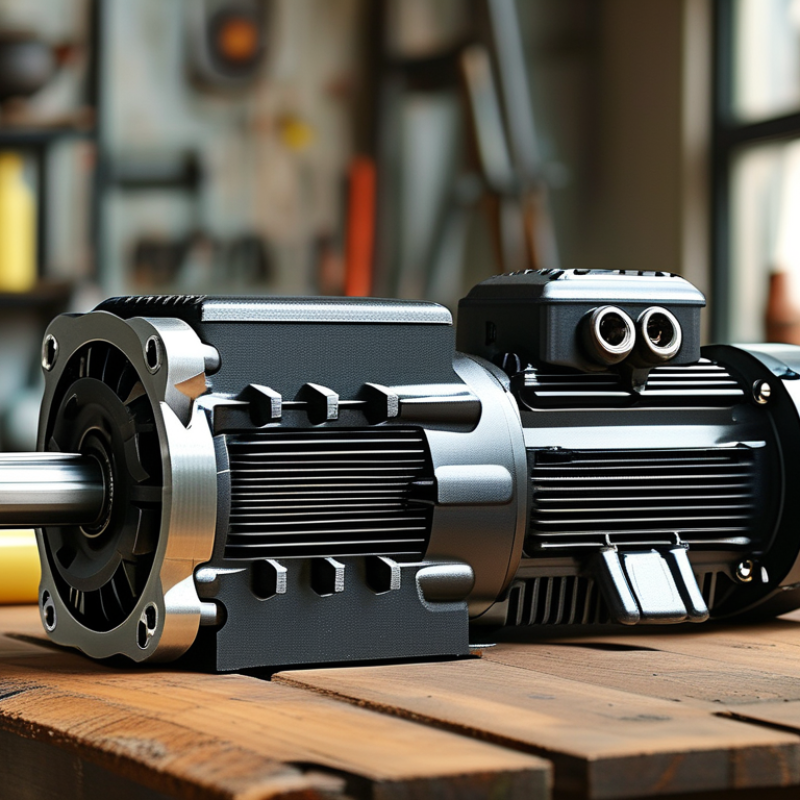
Essential Tips for Choosing the Right Brushless Gear Motor?

Factors to Consider When Selecting a Brushless Gear Motor

Selecting the right brushless gear motor requires careful consideration of various factors. Efficiency is paramount. According to a report by the Department of Energy, brushless motors can achieve efficiencies exceeding 90%. This is crucial in applications where energy savings translate to significant cost reductions. Think about where the motor will be used. Different environments can influence performance.

Torque ratings are another key factor. The motor should provide enough torque for the intended application without overloading. An underperforming motor can lead to system failures. A study published in the Journal of Mechanical Science shows a direct correlation between torque and longevity. A motor operating at optimal torque can last significantly longer.

Speed control is vital too. Brushless gear motors offer precise speed regulation. This is essential for applications requiring consistent performance. Noise levels should also be taken into consideration, especially in residential or office settings. Studies suggest that motors designed for lower noise levels can improve user experience. Balancing these factors requires experience and knowledge, and every choice can impact the overall system’s reliability and performance.

Understanding Brushless Gear Motor Specifications

When choosing a brushless gear motor, understanding the specifications is crucial. These motors usually range in voltage, current, torque, and speed. Each specification directly impacts performance. For instance, a higher torque may be necessary for heavy loads, while speed plays a vital role for applications requiring rapid movement.

Tips for selection include considering the application environment. Some motors are designed for high temperatures or moisture. It's essential to match these characteristics to your working conditions. Bear in mind, the motor's efficiency can vary widely based on design. Look for those with higher efficiency ratings to save energy and costs in the long run.

Another aspect to reflect on is the ease of integration. Some motors come with built-in controllers, simplifying installation and operation. Others might require more extensive setup. Understanding your own capabilities can prevent frustration later. Choosing the right specifications now will save time and effort in your projects.

Essential Tips for Choosing the Right Brushless Gear Motor

This chart illustrates the key specifications to consider when selecting brushless gear motors, including torque, efficiency, speed, and load capacity.

Evaluating Motor Efficiency and Performance Characteristics

When selecting a brushless gear motor, evaluating motor efficiency and performance is critical. Start with understanding the motor's torque and speed characteristics. These metrics dictate how well the motor will perform in various applications. Look for specifications that clearly outline these features. Often, manufacturers provide performance curves that show efficiency levels at different loads.

Keep an eye on thermal performance as well. A motor that overheats can lead to reduced lifespan and reliability issues. Testing under different loads can expose its operational limits. It's essential to assess whether the motor can maintain peak performance in varying conditions. This aspect is frequently overlooked but is vital for long-term application success.

It’s also worth noting that not all motors perform as advertised. Discrepancies between expected and actual performance can arise. Be cautious of motors that seem to offer high efficiency without adequate testing data. Reviewing user experiences can provide insights into these issues. In some cases, you may find that a reputed motor performs poorly in real-world applications. Evaluating expert reviews and user feedback can reveal hidden pitfalls.

Essential Tips for Choosing the Right Brushless Gear Motor

Motor Type Rated Power (W) Rated Torque (Nm) Max Efficiency (%) Voltage (V) Speed (RPM)
Type A 100 0.5 85 24 3000
Type B 200 1.0 90 36 2500
Type C 150 0.75 88 24 3500

Assessing Compatibility with Your Application Requirements

When selecting a brushless gear motor, assessing compatibility with your application is crucial. Start by evaluating your specific requirements. Consider aspects such as torque, speed, and power needs. Each application is unique, and even minor mismatches can lead to inefficiencies. You might think a motor with higher torque is always better. However, it can result in oversizing and wasted energy.


Next, look into the physical dimensions. Ensure that the motor fits well within your system. Measure the available space carefully. An awkward fit can lead to installation challenges. You may also need to think about the mounting options. Some motors are adaptable, while others require fixed setups. This flexibility can save you from future headaches but could also introduce uncertainties.


Another important factor is environmental conditions. Will the motor be exposed to dust, heat, or moisture? These elements can significantly impact performance and lifespan. A motor that thrives in one environment may fail in another. Always verify the ratings and specifications against your conditions. Remember, sometimes too much emphasis on specifications can lead to overlooking real-world performance needs. Testing and adjustment might be necessary to find that perfect balance.

Cost vs. Quality: Making an Informed Investment Decision

Selecting the right brushless gear motor requires a careful balance of cost and quality. According to a recent industry report, nearly 30% of companies regret their motor investment after realizing they chose cost over functionality. A low price may lead to increased maintenance and downtime, ultimately costing more.

Performance should always guide your decision. A higher quality motor may involve an upfront cost, but it typically has a longer lifespan and better efficiency. For example, premium motors can reduce energy consumption by up to 15%, which is significant when considering the operational budget over time.

Investing in quality also implies reliability. An unreliable motor can disrupt production, affecting your bottom line. It's crucial to evaluate the specifications. Review torque ratings and RPM ranges. Data shows that motors with a low failure rate, below 5%, often provide superior performance. Remember to compare these figures when choosing your ideal motor. Quality is not just an expense; it’s a strategic investment in your operations.

FAQS

: How important is motor efficiency?

: Motor efficiency is crucial. Brushless motors can exceed 90% efficiency, leading to significant energy savings.

What role does torque play in motor selection?

Torque ratings are key. Motors must provide sufficient torque to avoid system failures and ensure longevity.

Why is speed control significant in brushless gear motors?

Brushless motors offer precise speed regulation, essential for applications needing consistent performance.

Should noise levels be considered when choosing a motor?

Yes, noise levels matter, especially in residential or office environments, impacting user experience.

How can compatibility affect motor selection?

Compatibility is vital. Mismatched torque or size can lead to inefficiencies and installation issues.

What environmental factors should be considered?

Consider dust, heat, or moisture exposure. These can impact performance and the lifespan of the motor.

Does cost impact quality in motor selection?

Yes, a low price may mean costly maintenance later. Quality motors often perform better and last longer.

What should I focus on besides cost?

Performance and reliability are essential. Always evaluate specifications like torque ratings and RPM ranges.

Can overemphasizing specifications lead to issues?

Yes, too much focus on specs can overlook real-world needs. Testing might be needed for the right fit.

Is it wise to invest in higher quality motors?

Investing in quality motors can reduce operational costs and improve reliability, making it a strategic choice.

Conclusion

When selecting a Brushless Gear Motor, several critical factors must be considered to ensure optimal performance and compatibility with your specific application. Understanding the specifications of the motor is essential; this includes analyzing voltage, power rating, and torque output. Additionally, evaluating the motor's efficiency and performance characteristics will help determine its suitability for your needs, ensuring that it operates within the desired parameters.

Another important aspect is assessing compatibility with your application requirements, as different projects may demand unique features from a Brushless Gear Motor. Finally, it's crucial to weigh the cost against quality to make an informed investment decision. Balancing these considerations will lead to a selection that not only meets your operational demands but also provides long-term reliability and value.

Sophia

Sophia

Sophia is a dedicated marketing professional with an exceptional depth of knowledge about her company's products and services. With a keen understanding of market trends and customer needs, she crafts insightful blog posts that not only inform but also engage readers, enriching the company’s online......