 RSI Motors
RSI Motors
RSI Motors
A Small Gear Motor is a vital component in many machines. This device combines both speed and torque through its gear system. According to Dr. Emily Harris, a renowned expert in mechanical engineering, "The Small Gear Motor offers efficiency that standard motors simply cannot match." This efficiency is crucial in applications like robotics and automation.
Businesses increasingly rely on Small Gear Motors for their compact design and reliable performance. They provide the power needed without taking up excessive space. The versatility of these motors allows them to fit various applications. Yet, not all motors are created equal. Selecting the right one requires understanding your specific needs.
Some industries struggle with integrating the Small Gear Motor into existing systems. Companies may find compatibility issues or performance limitations. Reflecting on the right approach can save time and resources. Finding the best Small Gear Motor often involves trial and error. However, the investment in quality motors pays off in increased productivity.
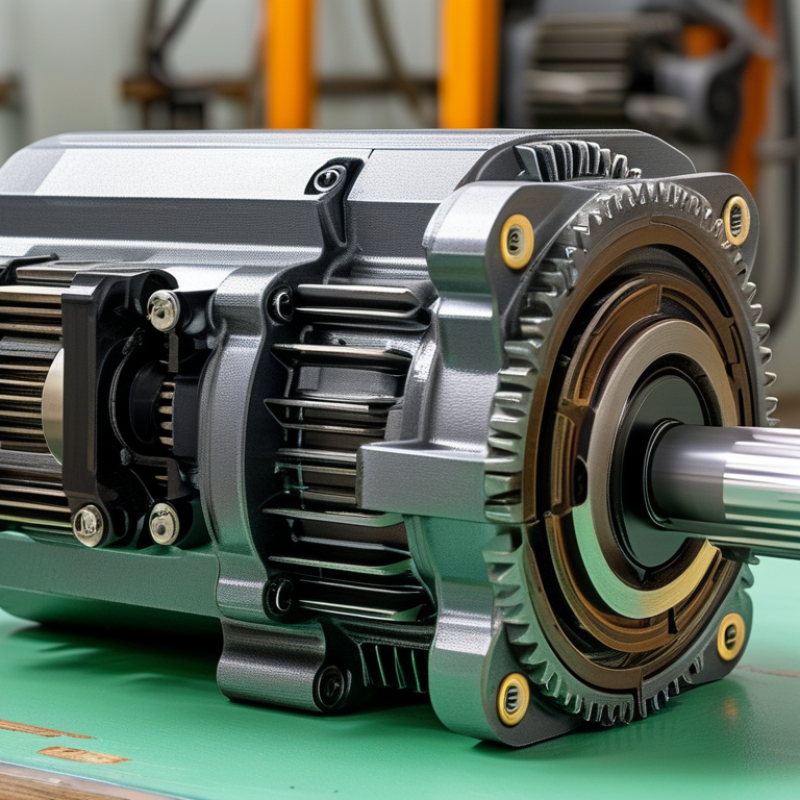
A small gear motor is a compact device that combines a motor and gear system. It provides reduced speed and increased torque. These motors are widely used in various applications, from robotics to toys. Their small size allows for easy integration into tight spaces. With a variety of gear ratios available, small gear motors can be tailored to meet specific speed and torque requirements.
One common use of small gear motors is in automation. They can drive conveyor belts, robotic arms, or 3D printers. Another area of application is in household appliances. For instance, they can be found in electric shavers and food processors. The efficiency of these motors is impressive, but sometimes they might not meet high demand. Users may need to consider their specific needs carefully before selecting a motor.
Despite their advantages, small gear motors have limitations. They can overheat if operated continuously at high loads. This requires careful monitoring during operation. It’s essential to choose the right motor for the job. Miscalculating torque requirements can lead to inefficiencies. Understanding the intricacies of small gear motors can help users make better choices.
: A small gear motor is a compact device that combines a motor and gear system. It provides reduced speed and increased torque.
They are used in automation, robotics, toys, and household appliances like electric shavers and food processors.
Consider the specific application, size, speed, and power options when selecting a motor.
Proper torque is crucial. Insufficient torque can stall devices, while too much power can damage components.
Gear ratios significantly impact speed and torque balance. The right ratio is essential for optimal performance.
Yes, they can overheat if operated continuously under high loads. Monitoring during operation is necessary.
Match motor specifications with your needs to prevent inefficiencies. Miscalculations can lead to inadequate performance.
High humidity and dust can affect motor reliability and performance. Consider these factors when selecting a motor.
A poorly chosen motor can result in costly repairs and inefficiencies. It’s better to research and seek expert advice.
Yes, risks include overheating and torque miscalculations. Careful consideration and monitoring can help mitigate these issues.
A Small Gear Motor is a compact device that combines a motor with a gear system to reduce speed and increase torque, making it ideal for various applications. The key components of a Small Gear Motor include the motor, gears, and housing, which work together to deliver efficient power transmission. These motors are widely used across different industries, from robotics and automation to automotive and home appliances, due to their versatility and reliability.
The benefits of using Small Gear Motors for projects are significant; they allow for precise control of speed and force, save space due to their compact size, and can enhance the performance of machinery. When choosing the right Small Gear Motor, it's essential to consider factors such as the required torque, speed, and application specifics to ensure optimal functionality for your needs. Overall, Small Gear Motors play a crucial role in enhancing the efficiency and effectiveness of countless devices and systems.
