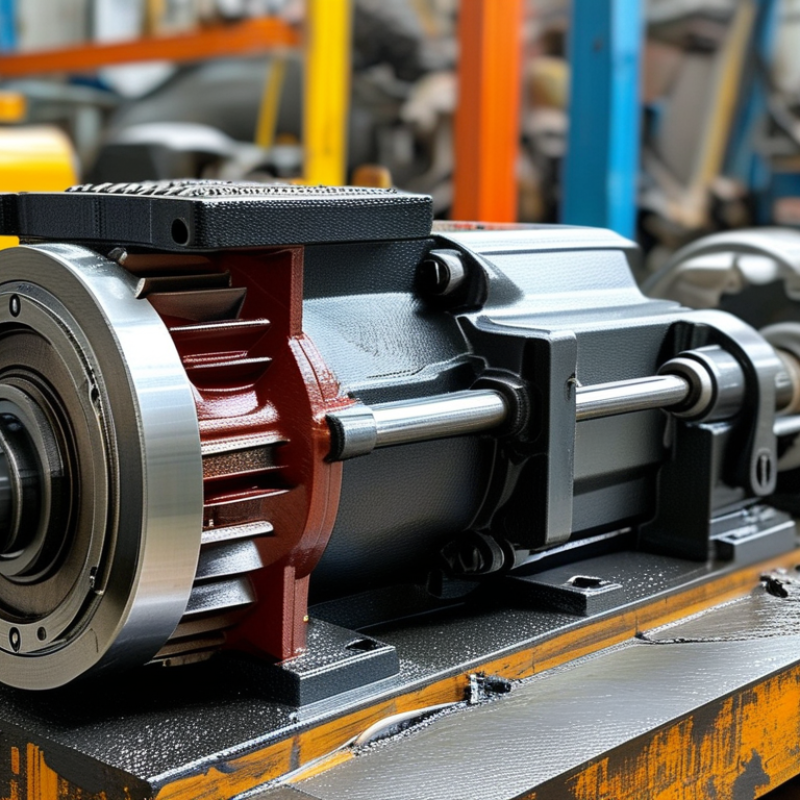
Choosing the right Hot Sale Gear Motor for your project can be challenging. Industry expert John Smith, who specializes in mechanical engineering, emphasizes, “Quality gear motors are key to efficiency.” This highlights the importance of selecting the right gear motor for optimal performance in any application.
A Hot Sale Gear Motor is often the backbone of many mechanical systems, ensuring reliability and productivity. When evaluating options, consider factors such as torque, speed, and application needs. The right choice can lead to significant improvements, while the wrong one may cause failures.
Many projects succeed with careful motor selection, but mistakes can occur. Sometimes, even small specifications can lead to mismatches. Take time to assess your project's requirements critically. In this evolving market, staying informed can make a difference. Successful projects are built on well-informed decisions.
Understanding the Basics of Gear Motors and Their Applications
When considering gear motors for your project, understanding their function is crucial. Gear motors combine a motor with gears to increase torque or reduce speed. This makes them suitable for various applications, from robotics to industrial machinery. Their versatility allows for efficient operation in tasks requiring precise movements.
The types of gear motors vary. For instance, DC gear motors offer simplicity and ease of control, making them ideal for small projects. On the other hand, AC gear motors are preferred in larger applications for their robustness. Selection depends on your project needs, wattage, and space constraints. Reflecting on the project requirements is important. A mismatch in motor type can lead to efficiency issues.
In applications, gear motors excel in conveyor systems and automotive systems. These settings exemplify their reliability and power. However, it is vital to regularly assess their performance. Often, we overlook maintenance, leading to unexpected failures. A proactive approach can prevent long downtimes. Consider the specific demands of your project when picking the right gear motor.
Factors to Consider When Selecting a Gear Motor for Your Project
When selecting a gear motor for your project, several critical factors come into play. The application requirements significantly guide your choice. Consider the torque needed and the speed at which the motor must operate. Ensure that the motor can handle the load without overheating or failing. Weight capacity and operational limits should align with your project's demands.
Another aspect to reflect on is the environment. Is the motor exposed to harsh conditions? If so, look for gear motors with enhanced protection. Dust, moisture, and temperature variations affect performance. Additionally, the efficiency of the motor is crucial. A more efficient motor can save energy and reduce costs in the long term. However, remember that higher efficiency models might come with a higher price tag and may require careful consideration.
Finally, the compatibility with your existing systems matters. Assess how the gear motor will fit with your current setup. If it does not integrate well, you may face unexpected challenges later. Be prepared to adapt or rethink your design based on the motor’s characteristics. Understanding these factors will contribute to a more successful project outcome.
Evaluating Motor Specifications: Torque, Speed, and Efficiency
When selecting a gear motor, understanding specifications is crucial. Torque, speed, and efficiency significantly impact performance. Torque determines how much load a motor can handle. For instance, a motor with a torque rating of 100 Nm can lift a heavier object than one with 20 Nm. Evaluating torque helps ensure the system operates smoothly without unnecessary strain.
Speed is another critical factor. Motors with higher speeds can complete tasks faster. However, it's essential to balance speed with torque. A motor designed for high RPM may sacrifice torque. According to industry reports, efficient gear motors operate around 90% efficiency or higher. This means minimal energy loss, reducing operational costs.
**Tips:** Always assess the application requirements. Consider both high torque and appropriate speed for optimal functionality. Additionally, consult performance curves to visualize how specifications interact. This can reveal potential inefficiencies. A well-chosen gear motor can enhance project success while preventing costly downtimes. Keep in mind that the right choice often requires trial and adjustments.
2026 How to Choose Hot Sale Gear Motor for Your Project?
| Motor Type |
Torque (Nm) |
Speed (RPM) |
Efficiency (%) |
Power (W) |
| DC Gear Motor |
20 |
100 |
85 |
150 |
| AC Induction Motor |
15 |
1500 |
90 |
1200 |
| Step Motor |
10 |
300 |
75 |
80 |
| Servo Motor |
25 |
2000 |
92 |
300 |
Identifying the Right Gear Ratio for Your Needs
Choosing the right gear ratio is crucial for ensuring your gear motor meets your project requirements. The gear ratio determines how torque and speed are translated from the motor to the output. A higher gear ratio means more torque but less speed. Conversely, a lower ratio increases speed but reduces torque.
Before selecting a gear ratio, consider your project’s demands. For instance, if you're building an electric vehicle, a low gear ratio is beneficial for high torque. Alternatively, for a fan, a higher ratio works best to maximize speed. It’s essential to balance these two factors in relation to your application.
Experimentation is a key part of this process. Testing different ratios can provide insights on performance. Don't hesitate to adjust and reevaluate your choices. Use a simple setup to analyze various outcomes. Remember, every project has unique needs, and the perfect ratio might not be clear at first. Embrace the trial-and-error process as part of the design journey.
Comparing Different Types of Gear Motors for Hot Sale Options
When selecting a gear motor for your project, understanding the various types available is crucial. Gear motors can be categorized into inline, right-angle, and planetary types. Inline gear motors are compact and provide a high torque-to-weight ratio, while right-angle gear motors are ideal for systems with limited space. Planetary gear motors excel in applications requiring high precision and efficiency but can be more costly.
According to a recent industry report by Research and Markets, the global gear motor market is expected to reach $35 billion by 2026. This growth is attributed to the rising demand for automation across various sectors. For example, the food processing, textile, and packaging industries are driving the need for reliable gear motors. However, not all gear motors meet stringent quality standards, which can lead to failure in critical applications.
Investing in a hot sale gear motor requires careful evaluation. Performance data such as efficiency ratings and power consumption should be scrutinized. Even a small deviation in torque specifications can result in operational inefficiencies. Additionally, comparing warranty terms and customer support can provide insights into long-term reliability. Choosing the right gear motor is vital but often involves trade-offs between cost, performance, and lifespan.
FAQS
: Gear motors combine a motor and gears to increase torque or reduce speed. They are suitable for robotics and industrial machinery.
DC gear motors are simple and easy to control, ideal for small projects. AC gear motors are robust and suited for larger applications.
Torque, speed, and efficiency impact performance. Evaluating these ensures smooth operation and prevents strain on the motor.
The gear ratio affects torque and speed. A higher ratio provides more torque but less speed, while a lower ratio increases speed.
Reflect on project needs, wattage, and space. A mismatch can lead to efficiency issues and unexpected failures.
Regular assessment is vital. Overlooking maintenance can cause unexpected failures and long downtimes. Proactive care is essential.
Yes, experimenting with various ratios can reveal performance insights. Use trials to adjust ratios based on project needs.
Efficient gear motors operate at 90% or higher efficiency. This minimizes energy loss and reduces operational costs.
Conclusion
In the quest for the ideal "Hot Sale Gear Motor" for your project, it's crucial to understand the fundamental principles and applications of gear motors. These motors play a vital role in various industries, providing the necessary torque and speed suited to specific tasks. When selecting a gear motor, important factors such as torque, speed, efficiency, and the appropriate gear ratio must be evaluated. This ensures that the motor can deliver optimal performance tailored to the needs of your application.
Additionally, comparing different types of gear motors can help identify the hot sale options that offer the best value and reliability. By carefully considering each aspect, from motor specifications to gearing solutions, you can make informed decisions that enhance the efficiency and success of your project while securing a high-performing gear motor that meets your requirements.
 RSI Motors