RSI Motors RSI Motors

How to Choose the Right Other Gear Motor for Your Needs?

Time:2026-08-04 Author:Oliver
0%

Choosing the right Other Gear Motor for your application can be challenging. This sector is rapidly evolving, with 2023 market reports showing a growth rate of 5.3% annually. Understanding the specific requirements of your project is crucial. Renowned industry expert, Dr. Emily Carson, emphasizes, “Selecting the correct motor can drastically affect efficiency and performance.”

Key factors include torque, speed, and load capacity. These parameters should align with your operational needs. Today’s Other Gear Motors come with advanced technology, enhancing reliability and efficiency. However, many users overlook the potential complexities in matching these motors with their systems. It is essential to analyze these variables thoroughly.

Inadequate research may lead to costly mistakes. Statistics reveal that even minor mismatches can result in up to 15% reduced performance. As the market diversifies, staying updated with the latest innovations is vital. The right Other Gear Motor can improve productivity and energy efficiency significantly. Yet, decision-making will require careful consideration and expertise.
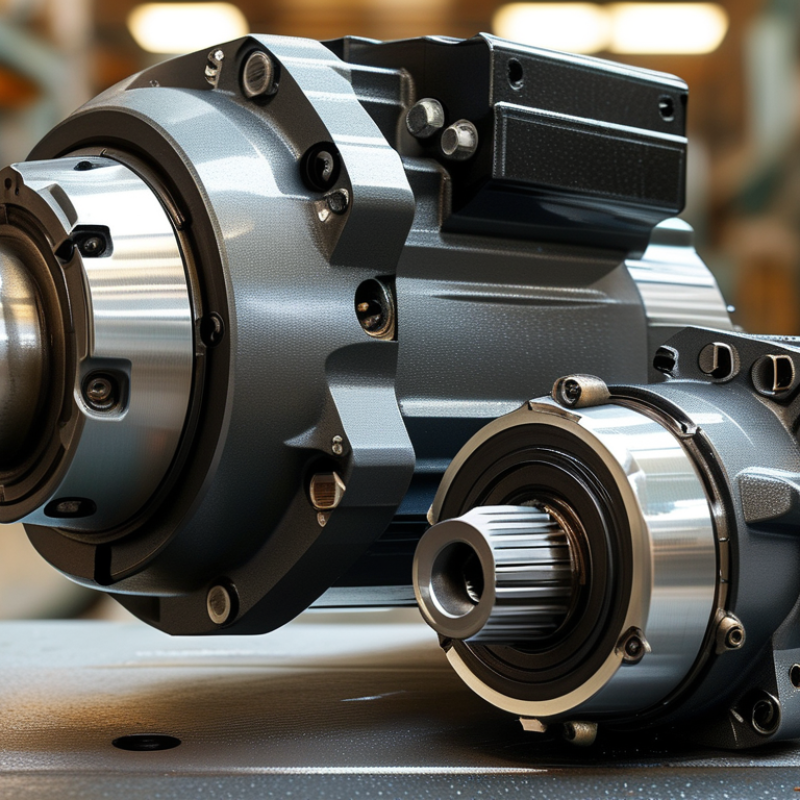
How to Choose the Right Other Gear Motor for Your Needs?

Understanding the Types of Gear Motors Available in the Market

When selecting the right gear motor, understanding the various types available is crucial. Gear motors come in several designs, each suited for different applications. Common types include AC and DC gear motors, stepper motors, and servo motors. According to a recent industry report, the global gear motor market is projected to grow by 6.5% annually, reflecting increasing automation across industries.

AC gear motors are often used for their efficiency and reliability in continuous operation. They are ideal for applications requiring consistent torque over long periods. On the other hand, DC gear motors offer precise control and variable speed, making them suitable for robotics and small machinery. Stepper motors are another option, providing high torque at low speeds, which is essential in automation tasks.

Tips: When choosing a gear motor, consider the application’s specific requirements. Assess load capacity, speed, and torque needs. This helps in picking the best motor type. Don’t overlook the importance of a motor’s size and efficiency rating.

It’s important to reflect on potential challenges as well. Choosing the wrong gear motor can lead to inefficiencies and higher costs. Always verify the specifications and consider consulting with experts if needed. Being informed of each type's application can save you time and money in the long run.

Evaluating Motor Specifications: Torque, Speed, and Power Requirements

When evaluating motor specifications, torque, speed, and power requirements are critical. Torque determines how much turning force the motor can deliver. It is essential for applications involving heavy loads. Higher torque is necessary if you need to start moving something substantial.

Speed is another key parameter. It describes how fast the motor can turn and is measured in revolutions per minute (RPM). Selecting the right speed helps achieve the necessary performance for your project. Too much speed can lead to inefficiency or damage.

Tip: Consider the application first. Knowing your specific needs allows for better motor choice.

Power requirements depend on torque and speed. More power means better performance, but it can also increase costs. Sometimes, a less powerful motor paired with high efficiency can be a smart choice.

Tip: Look for power ratings that suit your application's demands. Always balance between power, size, and energy consumption.

Ultimately, taking time to analyze these specifications thoroughly can save you time and resources in the long run. Don't rush the decision; it could impact overall project success.

Motor Specifications Comparison: Torque, Speed, and Power Requirements

Assessing Application Needs: Size, Weight, and Environmental Factors

Choosing the right gear motor involves careful consideration of several factors. Application needs are critical. Size and weight significantly impact performance. For instance, a compact motor might be necessary in confined spaces. Industry reports indicate that over 30% of projects fail to consider weight implications, causing delays. A lightweight motor can enhance efficiency but might sacrifice torque.

Environmental factors play a vital role too. Assess the location where the motor will be used. Will it face high humidity or extreme temperatures? Research shows that around 20% of motors fail prematurely due to neglecting environmental conditions. Factors like dust, moisture, and vibrations create wear over time. Selecting a motor with appropriate enclosures can mitigate these risks.

User feedback often reveals discrepancies in understanding size requirements. Many users underestimate the space that motors and supporting structures occupy. Over a third of engineers report redesigning projects because of space issues. Emphasizing accurate measurements and specific application needs is essential. Ultimately, each application demands a tailored approach. Consider all these aspects to make an informed choice.

Comparing Efficiency Ratings and Operating Costs of Gear Motors

When selecting a gear motor, efficiency ratings and operating costs are critical factors. Research indicates that gear motors often operate at efficiencies ranging from 70% to 95%. This variation impacts overall energy consumption. For instance, a motor with a 90% efficiency rating can reduce power usage by 10% compared to an 80% efficient motor. Over time, these savings accumulate significantly.

Operating costs are influenced not only by efficiency but also by maintenance needs. Reports show that gear motors with higher efficiency can result in lower cooling and lubrication costs. Moreover, the lifespan of these motors can vary; some may last 10,000 hours or more, while others may suffer from early failures due to inadequate maintenance or overloading. Regular checks can help improve reliability and performance but may not be prioritized by all users.

Different applications may also require varying torque and speed ratings, which can complicate the decision-making process. For example, a motor suited for high-torque applications might have a lower efficiency. Users often overlook the long-term costs when making initial purchases. This oversight may lead to greater expenses down the line due to increased energy bills and maintenance needs. Balancing efficiency and operating costs is not always straightforward, but it is essential for optimal performance in the long run.

Identifying Reliable Manufacturers and Support Services in the Industry

When choosing an other gear motor, reliability is key. Start by identifying experienced manufacturers. Look for companies with a proven track record. A history of quality production reflects their commitment to excellence. Engaging with users who have purchased from them adds valuable insights.

Support services are equally important. Quality manufacturers offer robust customer support. Inquire about available resources, such as technical assistance and warranty options. A responsive service team can make a big difference. Consider their response time and willingness to help troubleshoot issues. This level of support enhances reliability.

Explore online forums or industry groups for recommendations. Community feedback is vital in assessing a manufacturer. Be cautious, as not all information is reliable. A well-rounded view combines expert advice with user experiences. Understand that no company is perfect. Challenges may arise, but a trustworthy partner will address them effectively.

FAQS

: What are the common types of gear motors available?

: The common types include AC gear motors, DC gear motors, stepper motors, and servo motors.

Why are AC gear motors preferred for certain applications?

AC gear motors are efficient and reliable, ideal for consistent torque over long periods.

What advantages do DC gear motors offer?

DC gear motors provide precise control and variable speed, suitable for robotics and small machinery.

How important are efficiency ratings in gear motors?

Efficiency ratings from 70% to 95% significantly affect energy consumption and cost savings.

What impact does maintenance have on gear motor performance?

Regular maintenance can extend lifespan and reliability, but it may not be prioritized by all users.

What should be considered when selecting a gear motor?

Consider load capacity, speed, torque needs, size, and efficiency are crucial for the right choice.

How can choosing the wrong gear motor affect costs?

Wrong choices can lead to inefficiencies and higher long-term expenses due to energy and maintenance.

Are there specific torque and speed ratings to consider?

Yes, varying applications may need different torque and speed, complicating decision-making.

What happens if efficiency is overlooked in purchases?

Overlooking efficiency can lead to greater future expenses due to increased energy bills.

Why is balancing efficiency and operating costs challenging?

It’s not straightforward, but balancing them is key to achieving optimal performance over time.

Conclusion

When selecting the right Other Gear Motor for your specific applications, it is essential to understand the different types of gear motors available in the market. Begin by evaluating key motor specifications, including torque, speed, and power requirements that align with your intended use. Additionally, assess your application needs, taking into account size, weight, and environmental factors that may influence performance.

Moreover, comparing efficiency ratings and operating costs of various gear motors can help you make an informed decision that balances performance with budget considerations. Lastly, identify reliable manufacturers that provide robust support services, ensuring you have access to help when needed. By carefully considering these aspects, you can choose the Other Gear Motor that best meets your operational needs and enhances overall productivity.

Oliver

Oliver

Oliver is a seasoned marketing professional with a wealth of expertise in driving brand awareness and engagement. With a deep understanding of our company's product offerings, he consistently delivers high-quality content that enriches our professional blog. His insights not only shed light on......