RSI Motors
Selecting the right DC Gear Motor for your application can be challenging. According to John Smith, a leading expert in motor technology, "The correct DC Gear Motor can enhance efficiency and performance." His insights guide many in the industry.
DC Gear Motors vary significantly in design and function. Factors like torque requirements, speed, and application specifics must be considered. It's essential to understand these parameters to make an informed choice.
Quality matters in this selection process. Many products boast high performance, but not all meet industry standards. Testing and proven reliability are crucial. In the quest for the perfect DC Gear Motor, it's easy to overlook some of these details. Always prioritize quality and expert guidance.
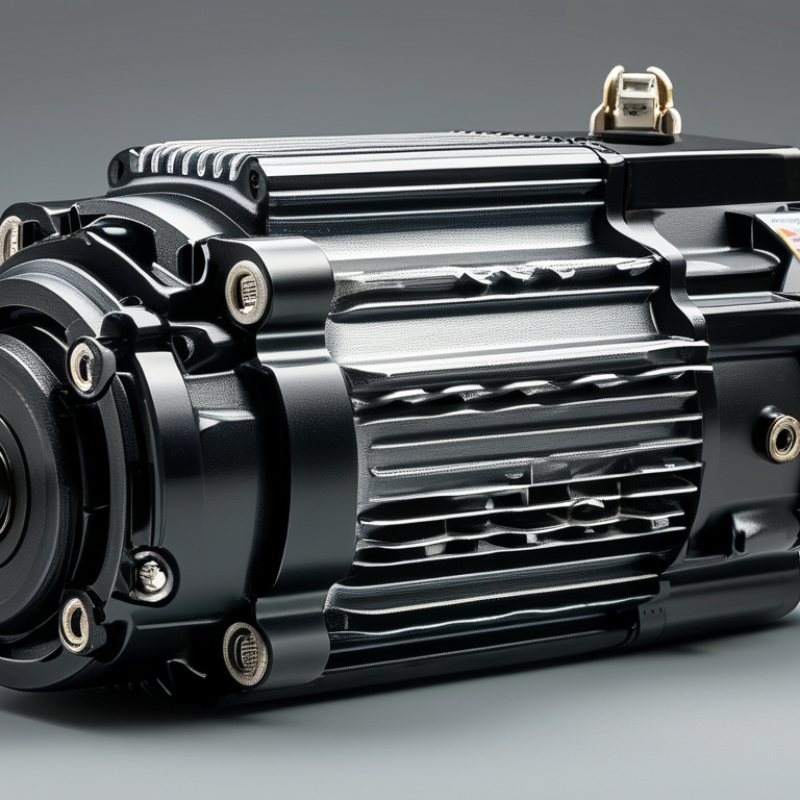
DC gear motors are integral to numerous applications, providing torque and speed control. Understanding the types of DC gear motors is essential for effective implementation. There are two primary types: brushed and brushless motors. Brushed motors are simpler and more cost-effective. However, they require more maintenance due to wear on the brushes. Brushless motors are more efficient and have a longer lifespan, making them ideal for demanding tasks.
In industries such as robotics and automation, the choice of motor can drastically affect performance. For example, a report by the International Journal of Advanced Manufacturing Technology indicates that brushless motors can achieve efficiency ratings of up to 90%. These figures point to their superiority in energy consumption compared to their brushed counterparts. Applications that require consistent performance over time often lean towards brushless designs, despite their higher initial cost.
When selecting a DC gear motor, one must consider load requirements. Understanding torque, speed, and duty cycle is vital. Many designers overlook these factors, leading to failures or inefficiencies. For instance, an overpowered motor can lead to overheating, while an underpowered motor may not handle the load effectively. Balancing these elements is crucial, but it can be challenging even for experienced engineers. Without careful analysis, mistakes can happen, impacting overall system reliability and performance.
Choosing the right DC gear motor can significantly impact your project's success. Here are some key considerations to keep in mind when selecting a motor.
Power requirements are essential. Assess the torque and speed your application demands. These factors determine the motor's efficiency and performance. A motor that is too weak will struggle and may fail. Conversely, an overly powerful motor can waste energy and lead to unnecessary costs. Understanding your specific needs is critical.
Another aspect to consider is the gear ratio. A higher ratio increases torque but reduces speed. Think about the application. Do you need more force or speed? Analyze how the motor's gear setup will integrate into your design. The physical dimensions of the motor also matter. Ensure it fits in your space constraints. Look into mounting options and alignment.
Environmental conditions shouldn't be overlooked either. Consider temperature, humidity, and dust exposure. These factors affect motor longevity. It's worth noting that sometimes specifications can be confusing. Don't hesitate to consult with experts or refer to technical resources. Understanding the details can help prevent costly mistakes.
Calculating torque and speed requirements is crucial for selecting the right DC gear motor. Torque indicates how much force the motor can apply to rotate an object. Speed, on the other hand, tells how fast the motor can achieve that rotation. Both factors must align with your project's needs. For example, a conveyor belt needs enough torque to move heavy items while maintaining a specific speed.
To determine the torque needed, consider the load's weight and the distance from the motor's axis to the point where the force is applied. Use this formula: Torque = Force x Distance. Speed requirements can be calculated based on the application. For instance, if an application requires a precise movement over a specific distance, knowing how many revolutions per minute (RPM) will help you select the correct motor.
However, don’t forget about the potential for oversizing. A motor too powerful can lead to wasted energy and heating issues. On the flip side, an undersized motor may struggle under load. Balance is key, and testing different options can help refine your choice. Being aware of these nuances increases the reliability of your final motor selection.
When selecting a DC gear motor, gear ratios and efficiency are critical. Gear ratios determine how torque and speed are converted. They impact performance directly. For instance, a higher gear ratio increases torque but lowers speed. The opposite is true as well. Choosing the right ratio can enhance the operation of your equipment.
Efficiency is another key factor. DC gear motors typically have efficiency ratings between 70% and 90%. According to industry reports, motors with higher efficiency save energy and reduce operational costs long-term. Selecting a motor that operates efficiently under your expected load can improve performance significantly.
Tips for choosing the right gear ratio include analyzing your application’s torque and speed requirements. Calculate the output speed needed and select a ratio that meets this. Avoid over-engineering; excessive torque can lead to unnecessary wear and energy waste. Regularly review performance data post-installation. If performance issues arise, consider adjusting your gear ratio. Sometimes a minor change can make a substantial difference in efficiency.
| Application | Gear Ratio | Efficiency (%) | Maximum Torque (Nm) | Speed (RPM) |
|---|---|---|---|---|
| Robotics | 50:1 | 85 | 3.5 | 150 |
| Conveyor Systems | 30:1 | 90 | 5.0 | 100 |
| Automated Doors | 10:1 | 75 | 2.0 | 200 |
| Electric Bicycles | 12:1 | 80 | 3.0 | 250 |
| 3D Printers | 5:1 | 70 | 1.5 | 300 |
When selecting a DC gear motor, considering environmental factors is crucial. Different applications may expose motors to varying conditions. For example, a motor used outdoors may need a higher IP rating to withstand moisture and dust. Similarly, a motor operating in extreme temperatures should be capable of functioning reliably in heat or cold. Failing to assess these factors can lead to premature motor failure.
Another important aspect is the compatibility of materials. The housing, gears, and insulation should resist corrosion or degradation based on the environment. For instance, if the motor will be in contact with chemicals, you must choose resistant materials to prevent wear. Reflection on potential environmental impacts is key to ensuring long-lasting performance.
In addition, vibration and shock can impact motor lifespan. Motors installed in machinery may face sudden jolts that affect gears. Evaluating the motor's mechanical robustness is essential. Real-world testing often reveals unexpected weaknesses, so always account for physical stresses during selection. Balancing these factors can feel overwhelming. However, informed decisions lead to better outcomes in tool longevity and efficiency.
: The two main types are brushed and brushless motors. Brushed motors are simpler but need more maintenance.
Brushless motors are more efficient and last longer. They are ideal for demanding applications, despite higher costs.
Gear ratios determine the conversion of torque and speed. A higher ratio increases torque but decreases speed, and vice versa.
DC gear motors typically have efficiency ratings between 70% and 90%. Higher efficiency can save energy and reduce costs.
Consider load requirements, torque, speed, and duty cycle. Overlooking these can lead to failures or inefficiencies.
Motors exposed to moisture or extreme temperatures need appropriate ratings. Failing to assess these can cause premature failure.
The materials should resist corrosion or degradation. Contact with chemicals can wear down unprotected components.
Testing reveals unexpected weaknesses in motors. It’s crucial to account for physical stresses during selection to ensure durability.
Regularly review performance data. Sometimes adjusting the gear ratio can enhance efficiency significantly.
Consider environmental impacts and potential stresses. This reflection can lead to informed choices for long-lasting performance.
When selecting the right DC gear motor for your application, it is essential to understand the different types and their specific use cases. Key considerations include calculating the required torque and speed to meet project demands, as well as evaluating gear ratios to ensure optimal performance and efficiency. Assessing environmental factors and ensuring compatibility with your project's requirements further aid in making an informed decision.
A thorough evaluation of these aspects will help you choose the most suitable DC gear motor, leading to enhanced functionality and reliability in your application. By focusing on these critical points, you can navigate the complexities of motor selection effectively, ensuring that your project runs smoothly and efficiently.
