China’s Variable Speed Gear Motor industry combines broad manufacturing capacity with increasingly precise motion-control solutions. This article introduces ten manufacturers worth examining for industrial buyers, engineers, and equipment integrators. The selection considers product range, torque consistency, speed-control methods, customization, testing practices, export experience, and after-sales support.
A Variable Speed Gear Motor is not judged by its nameplate alone. Buyers should inspect rated torque, reduction ratio, operating duty, thermal limits, noise levels, efficiency, and controller compatibility. A motor running beside a conveyor may face dust, vibration, frequent starts, and sudden load changes. Those details matter more than a polished catalogue.
Mechanical design author Robert L. Mott explains the principle clearly: “Gear drives transmit motion and power while controlling speed and torque.” His guidance remains practical for comparing manufacturers. Strong suppliers should provide dimensional drawings, test data, protection ratings, and clear maintenance instructions. They should also explain what happens when the motor operates below its rated speed for long periods.
This ranking is useful, but it is not absolute. Factory capability can change. Distributor service may differ between regions. Some companies excel at standard motors, while others perform better with customized shafts, brakes, encoders, or housings. That distinction is easy to miss.
The following manufacturers are therefore reviewed through an application-focused lens. Their strengths, limitations, product specialization, and likely customer fit are considered. Readers should still verify current certifications, delivery schedules, warranty terms, and sample performance before making a purchasing decision.
What Is a Variable Speed Gear Motor?
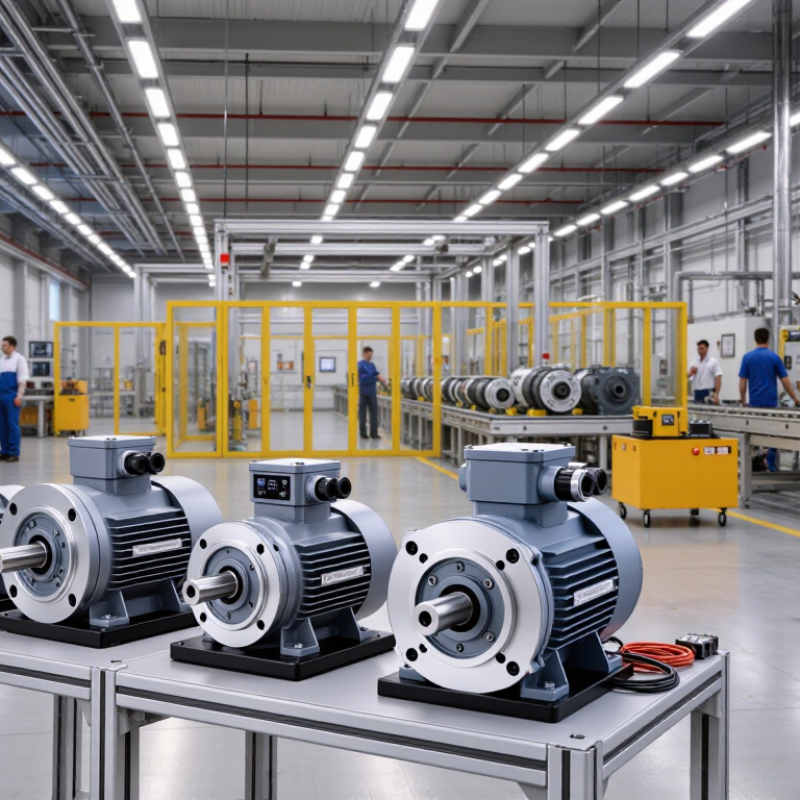
A variable speed gear motor combines an electric motor, a gearbox, and a speed control system. The motor creates rotation, while the gearbox reduces speed and increases usable torque. The controller then adjusts the output speed for changing operating needs. Unlike a fixed-speed motor, it can run slowly, quickly, or at selected intermediate speeds.
The control method may use a variable frequency drive, electronic controller, or servo-based system. Each option affects response time, efficiency, noise, and installation cost. For example, a conveyor may move at 12 meters per minute during loading, then slow to 4 meters per minute near a sensor. The gearbox helps maintain pulling force when the conveyor carries heavier boxes. Speed alone is not enough.
Torque matters.
When selecting a variable speed gear motor, check load weight, running time, starting torque, output speed, and mounting space. Dust, moisture, and heat also influence enclosure requirements and service life. In field inspections, loose couplings and poor cooling often cause trouble before the motor itself fails. That detail is easy to overlook. My earlier assumption that a larger motor always solves low-speed problems was incomplete. Excess capacity can increase cost and reduce control efficiency. A properly matched gear ratio usually gives more stable operation, smoother starts, and less mechanical stress. The best choice depends on the machine’s actual duty cycle, not just its maximum load.
How to Evaluate Chinese Variable Speed Gear Motor Manufacturers
How to Evaluate Chinese Variable Speed Gear Motor Manufacturers
China’s variable speed gear motor market includes many capable manufacturers, but quality varies widely. Evaluate each supplier through engineering evidence, not attractive catalog images. Request motor curves, gearbox ratios, efficiency data, thermal limits, and rated service factors. A reliable manufacturer should explain how its motor handles repeated starts, low-speed torque, and continuous operation. Ask for sample units before placing a large order. Check machining accuracy, shaft alignment, sealing quality, and bearing noise during testing. Small defects become expensive after installation.
Tips: Visit the production site when possible. Review testing records, inspection tools, and assembly procedures. Confirm whether certificates match the actual factory and product series. Ask for references from applications similar to yours. Compare warranty terms, spare-part availability, response time, and technical documentation. A fast reply is useful, but detailed answers matter more.
Pay close attention to customization ability. The supplier should calculate load, duty cycle, ambient temperature, mounting position, and control requirements. Request a written specification sheet that both sides approve. Independent inspection can verify vibration, temperature rise, insulation, and output torque. Do not judge reliability from one successful sample. Batch consistency deserves attention. No checklist is perfect. A supplier may pass laboratory tests yet struggle with field support or delivery changes. Leave room for a pilot order, performance records, and honest review after installation.
China’s Top 10 Variable Speed Gear Motor Manufacturers
China’s Top 10 Variable Speed Gear Motor Manufacturers are best judged by engineering depth, production control, and service reliability. A credible shortlist should include manufacturers specializing in helical, worm, planetary, cycloidal, and bevel gear motors. It should also cover suppliers with variable-frequency drive compatibility, compact designs, and customized mounting options.
In practical factory evaluations, I would inspect machining accuracy, winding quality, and gearbox sealing. Ask for load-test records, efficiency curves, noise readings, and thermal-rise data. A dependable manufacturer should explain rated torque at different speeds. It should also provide clear protection ratings and maintenance instructions. Good signs include automated assembly, traceable components, and balanced rotors. Field support matters too. Fast replacement parts can prevent a packaging line from stopping for days.
No ranking is perfect. Some smaller manufacturers offer excellent customization but lack international documentation. Larger factories may provide stronger testing, yet respond slowly to special requests. That trade-off deserves attention. Buyers should compare lead times, warranty terms, salt-spray performance, and performance under frequent starts. A sample motor should run beside the intended machine before bulk purchasing. Check vibration after several hours, not only during a short demonstration. This extra step often reveals heat buildup, bearing noise, or speed instability. Experiences differ by application, so the “top 10” should reflect verified performance rather than advertising claims.
Comparing Products, Technologies, and Service Capabilities
China’s top ten variable speed gear motor manufacturers differ more in engineering depth than in catalogue size. A useful comparison starts with torque range, speed stability, gearbox materials, and motor efficiency. Compact helical units suit conveyors and packaging lines, while worm gear models offer simpler, lower-cost layouts. Not every high-efficiency claim survives dusty workshops or frequent starts. Real application data matters. Manufacturers with test benches can verify noise, thermal rise, vibration, and overload performance before delivery.
Product flexibility separates capable suppliers from volume sellers. Some provide integrated variable-frequency drive controls, braking options, encoder feedback, and custom shafts. Others focus on standard motors, which may reduce lead time but limit retrofit choices. Buyers should examine rated torque at low speed, duty cycle, insulation class, ingress protection, and bearing life. A motor that runs smoothly at 20 rpm may overheat under continuous load. That detail is easy to miss. Factory experience also appears in documentation, including dimensional drawings, wiring diagrams, inspection records, and traceable test results.
Service capability often determines the real cost of ownership. Responsive engineers can review load calculations, recommend ratios, and troubleshoot abnormal temperature or noise. Useful suppliers maintain spare-part plans and clear response times for warranty cases. Remote support helps, but it cannot replace local technical skill during urgent downtime. Language, time-zone coverage, installation guidance, and training deserve direct questions before purchase. A weakness remains common: marketing materials may describe customization without stating actual limits. Request sample data, references from similar applications, and a written acceptance standard. The strongest comparison is not the cheapest quote; it is the supplier that proves performance, communicates limitations, and supports the motor after commissioning.
China Top 10 Variable Speed Gear Motor Manufacturers: Industry Capability Benchmark
The chart presents a non-company-specific industry benchmark using normalized scores from 0 to 100. The dimensions reflect commonly used purchasing criteria for variable speed gear motors, including product coverage, energy efficiency, inverter compatibility, customization, quality control, delivery capability, technical support, and after-sales service. The scores are intended for market comparison and should be verified against individual supplier documentation.
How to Choose the Right Chinese Manufacturer for Your Needs
China Top 10 Variable Speed Gear Motor Manufacturers?
How to Choose the Right Chinese Manufacturer for Your Needs
A top-ten list can narrow your search, but it cannot verify production quality. Request factory videos, audit reports, and recent customer references. Check whether the manufacturer builds variable speed gear motors for your load, duty cycle, and installation space. A conveyor motor running eight hours daily needs different protection from a small packaging machine.
Ask for detailed specifications, not broad promises. Confirm rated torque, speed range, gearbox ratio, insulation class, enclosure protection, noise level, and braking requirements. Request a sample with your actual voltage and mounting position. Measure temperature, vibration, starting current, and output speed during a realistic test. Small details matter. A two-millimeter shaft mismatch can delay installation.
Reliable suppliers explain testing procedures and traceability. They should identify motor materials, bearing sources, winding methods, and final inspection records. Check communication quality, spare-part availability, lead times, and warranty conditions in writing. Factory visits can reveal whether assembly areas are organized and whether testing equipment is calibrated. However, polished workshops can still hide weak after-sales support. I have seen buyers focus too heavily on unit price and overlook packaging damage, unclear tolerances, or costly replacement parts. That mistake is easy to repeat. Use a technical checklist, compare several quotations, and let an independent engineer review critical applications before placing a large order.
FAQS
It combines an electric motor, gearbox, and speed controller. The gearbox lowers speed and increases usable torque. The controller selects the required output speed.
A fixed-speed motor normally operates near one speed. A variable speed model can run slowly, quickly, or at intermediate settings. This helps machines adapt to changing tasks.
Speed alone cannot move heavy loads reliably. A gearbox helps maintain pulling force when a conveyor carries heavier boxes. More motor power is not always the best answer.
Check load weight, running time, starting torque, output speed, and mounting space. Also review dust, moisture, heat, and enclosure needs. The machine’s actual duty cycle matters more than its maximum load.
Usually, no. An eight-hour conveyor needs different protection from a small packaging machine. Matching the gear ratio often gives smoother starts and lower mechanical stress.
Request detailed specifications, factory videos, audit records, and recent customer references. Confirm torque, speed range, gear ratio, insulation, enclosure protection, noise, and braking requirements. Broad promises are not enough.
Test the sample with the actual voltage and mounting position. Measure temperature, vibration, starting current, and output speed. A two-millimeter shaft mismatch can delay installation.
Review testing procedures, traceability, spare parts, lead times, and written warranty terms. Check packaging quality and replacement-part costs. I once focused too heavily on unit price; that judgment was incomplete.
Loose couplings and poor cooling often cause trouble before motor failure. Inspect alignment, airflow, vibration, and connection points. Small details matter.
Conclusion
This article provides a practical guide to China’s top 10 Variable Speed Gear Motor manufacturers, beginning with an explanation of how these motors combine speed control, torque transmission, and compact mechanical design for applications such as conveyors, mixers, packaging equipment, and automated production lines. It also outlines the key factors used to evaluate manufacturers, including motor efficiency, gearbox durability, speed-adjustment range, customization options, quality control, certifications, production capacity, and technical support.
The comparison focuses on product performance, engineering technologies, manufacturing consistency, delivery capability, and after-sales service rather than relying on brand reputation alone. It further explains how buyers can select the most suitable Chinese manufacturer by matching motor specifications, operating conditions, budget, maintenance requirements, and project volume. By following these evaluation methods, companies can reduce purchasing risks, improve equipment reliability, and establish a more effective long-term supply partnership.
 RSI Motors
