RSI Motors RSI Motors

Best Motor Applications for Efficient Performance Solutions?

Time:2026-07-30 Author:Sienna
0%

In the realm of industrial technology, "Motor Application" is crucial for optimizing performance. Choosing the right motor can dramatically influence efficiency. This decision impacts operational costs, energy consumption, and overall productivity. Many industries rely heavily on motors, from manufacturing to transportation. An effective motor application aligns with specific needs and uses.

Understanding the nuances of motor selection is essential for success. Various factors influence performance, such as load requirements and environmental conditions. Not every motor suits every situation. A mismatch can lead to inefficiencies and increased wear. While some may overlook these details, they are paramount for achieving desired outcomes.

The complexity of these applications raises questions. Are the selected motors the best fit? How do they compare to alternatives in terms of energy savings? By examining these aspects, organizations can make informed choices. This exploration of motor applications will highlight effective solutions and potential pitfalls, guiding industries toward sustainable and efficient performance.
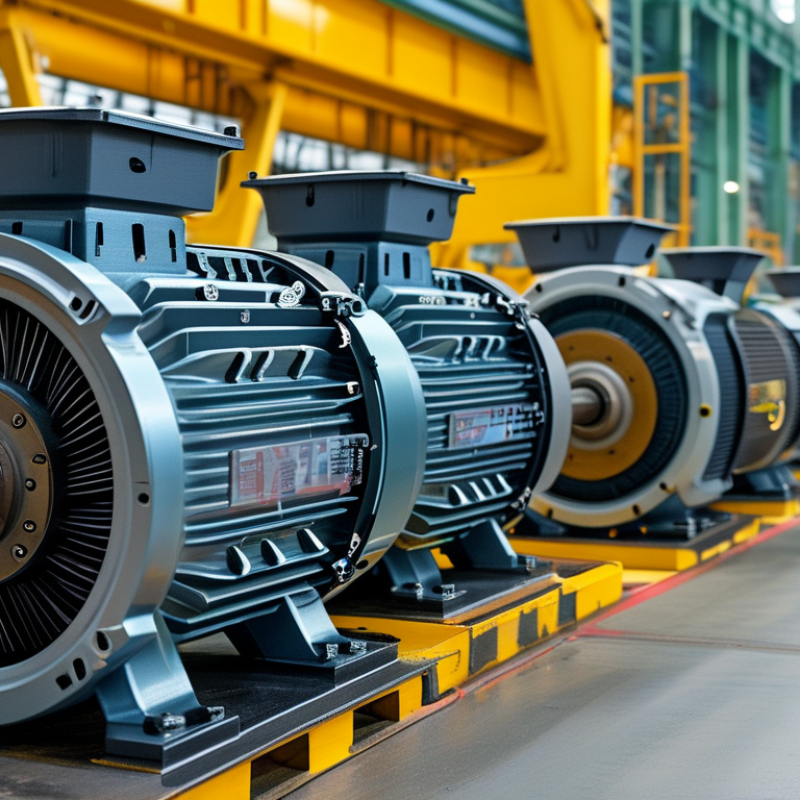
Best Motor Applications for Efficient Performance Solutions?

Best Motor Applications for Efficient Performance Solutions

Efficient motor applications play a crucial role in optimizing performance across various industries. From manufacturing to energy solutions, the need for reliability and durability remains paramount. One notable area is the automation industry. Here, motors facilitate precision control that directly influences output quality. In robotics, for example, a reliable motor ensures tasks are performed accurately, minimizing errors that can lead to increased costs.

The energy sector also greatly benefits from advanced motor applications. Efficient motors can significantly reduce energy consumption, promoting a more sustainable approach to operations. Yet, not all applications perform equally well. Some motors may struggle with heat dissipation or have lower efficiencies under varying loads. These imperfections highlight the need for continuous improvement and innovation in motor technology. Each challenge presents an opportunity for engineers to refine designs, making them more effective and reliable in real-world conditions.

Best Motor Applications for Efficient Performance Solutions

Overview of Motor Types and Their Efficiency Ratings in Industry

When evaluating motor types, efficiency ratings are vital. Different motors cater to various industrial needs, impacting performance and sustainability. Electric motors, such as AC and DC types, are prominent in applications for their reliability and energy efficiency. AC motors excel in continuous operations, while DC motors offer better speed control.

Consider gear motors, which incorporate gears to enhance torque. They are essential in automation and robotics. Their efficiency can vary based on application and load. Selecting the right gear ratio is crucial for optimal performance. Efficiency ratings often guide these choices, helping industries save energy costs.

Tip: Regular maintenance improves motor efficiency. Dust and debris can hinder performance.

Another option is servomotors. These provide precise control, making them popular in manufacturing processes. While highly efficient, they can be complex and costly. Understanding their capabilities ensures that businesses utilize them effectively.

Tip: Invest in energy audits to assess motor efficiency. This can reveal potential areas for improvement.

Key Performance Metrics for Electric Motors in Various Applications

Electric motors play a pivotal role across various industries. Understanding key performance metrics can significantly enhance efficiency. For instance, torque and power output are critical in measuring a motor's effectiveness. High torque at low speeds benefits applications in lifting and conveyor systems. In contrast, high-speed operations are essential for fans and compressors.

Furthermore, thermal performance is another vital metric. A motor that overheats may cause delays and increase maintenance costs. Effective cooling methods, such as heat sinks or fans, are necessary to maintain optimal operating temperatures. Besides, efficiency ratings like IE classes provide insights into energy consumption. Motors with higher efficiency ratings can lead to substantial savings over time.

Not all motors excel in every application. A motor’s design and material also influence its performance. Consider various configurations and the potential for customization to suit specific needs. Regular monitoring of performance metrics is crucial. Anomalies could indicate wear or the need for updates. This ongoing evaluation fosters improvement, while also addressing possible shortcomings in existing motor solutions.

Energy Efficiency Standards and Their Impact on Motor Selection

Energy efficiency standards play a crucial role in motor selection. They guide manufacturers to create products that consume less energy. Compliance with these standards often leads to improved performance and reduced operational costs. A focus on energy-efficient motors can benefit industries ranging from manufacturing to HVAC. Choosing the right motor can directly influence a company’s bottom line and sustainability efforts.

In recent years, strict guidelines have emerged. Many regions enforce these standards rigorously. This creates a mixed landscape for businesses. Some companies find it challenging to adapt while others thrive under these regulations. The transition may require investment in new technologies and retraining staff. However, this effort often leads to significant savings in energy costs over time.

Not all motors are created equal under new regulations. While many options exist, not every motor meets efficiency expectations. It is essential for engineers to evaluate motor specifications carefully. Making informed decisions can help avoid regrets down the line. Also, partnerships with knowledgeable suppliers can ensure compliance and performance. Often, the right choice is not the most obvious one.

Case Studies: High-Efficiency Motor Implementations in Manufacturing

In recent years, many manufacturing sectors have embraced high-efficiency motors to optimize their processes. For instance, a textile company upgraded to a new motor system. This change reduced energy consumption by 30%, demonstrating tangible benefits. It’s important to recognize that not all upgrades yield such significant results. Some companies report minimal changes, highlighting the need for careful evaluation before implementation.

Another case involves an automotive parts manufacturer that installed smart motors in its assembly line. The integration of sensors improved real-time performance tracking. However, this implementation required extensive training for staff. Initial resistance to change posed challenges. Over time, the benefits became clearer, yet the process underscored how critical it is to manage both technology and human factors.

Implementing high-efficiency motors can dramatically increase productivity. Still, companies must assess their unique needs thoroughly. Focusing solely on energy savings can overlook other operational aspects. Real-world case studies show that success often hinges on a holistic approach. Balancing technology, workforce readiness, and production goals is key to unlocking full potential.

Future Trends in Motor Technology for Enhanced Performance Solutions

The future of motor technology is poised for transformation. Recent reports highlight a shift toward energy-efficient solutions. According to the International Energy Agency (IEA), electric motors consume nearly 45% of global electricity in industrial settings. This creates a pressing need for innovation.

Next-generation motors are focusing on advanced materials and designs. Utilizing lightweight composites can enhance performance significantly. Research shows that integrating AI for predictive maintenance can further optimize motor efficiency. The global market for smart motors is projected to reach $10 billion by 2025, emphasizing the demand for smarter solutions.

However, challenges remain. Implementing these technologies can be costly. Adoption rates differ across industries, leading to a slower overall transition. Furthermore, there's a skills gap in the workforce. Training is crucial for effective deployment of these new systems. As motor technology evolves, a balance between innovation and practicality will be essential for widespread adoption.

Best Motor Applications for Efficient Performance Solutions

Application Area Motor Type Efficiency Rating (%) Future Trend
Electric Vehicles Permanent Magnet Motor 95 Integration with AI for performance optimization
Industrial Automation Servo Motor 90 Increased use of IoT for real-time adjustments
Home Appliances Brushless DC Motor 85 Development of smart energy management systems
Renewable Energy Synchronous Motor 92 Enhancements in integration with solar power
Aerospace High-Temperature Superconductor Motor 98 Advancements in lightweight materials

FAQS

: Why are efficient motor applications important?

: They optimize performance and ensure reliability across various industries.

How do motors affect automation?

They provide precision control, impacting the quality of outputs significantly.

What benefits do efficient motors bring to the energy sector?

They reduce energy consumption and support sustainable operations.

Are all motor applications equally effective?

No, some motors struggle with heat dissipation and variable load efficiencies.

What performance metrics are vital for evaluating electric motors?

Key metrics include torque, power output, and thermal performance.

Why is thermal performance critical?

Overheating can increase maintenance costs and cause operational delays.

What role does efficiency rating play in motor selection?

Higher efficiency ratings lead to significant energy savings over time.

What trends are shaping the future of motor technology?

Innovations focus on energy efficiency, AI integration, and advanced materials.

What challenges exist in implementing new motor technologies?

High costs, varied adoption rates, and a skills gap in the workforce can hinder progress.

How can regular monitoring of motor performance help?

It identifies wear and maintenance needs, supporting ongoing improvements.

Conclusion

The article titled "Best Motor Applications for Efficient Performance Solutions" provides an in-depth analysis of various motor types and their efficiency ratings within industrial settings. An overview of key performance metrics highlights the importance of selecting the right motor application, which directly influences operational efficiency and energy consumption. Energy efficiency standards are discussed, emphasizing their significance in guiding motor selection for different applications, ensuring compliance and sustainability.

Additionally, case studies of high-efficiency motor implementations in manufacturing demonstrate practical benefits and performance enhancements achieved through thoughtful motor application choices. The article concludes by exploring future trends in motor technology, focusing on innovations that promise to further enhance performance solutions across diverse industries. Overall, this comprehensive examination underscores the critical role that appropriate motor applications play in achieving efficient and effective performance outcomes.

Sienna

Sienna

Sienna is a skilled marketing professional with a deep expertise in our company’s core products and services. With a passion for innovation and detail, she plays a pivotal role in crafting insightful blog posts that not only highlight the unique features of our offerings but also provide valuable......