RSI Motors RSI Motors

7 Best Gear Motor Kits for Global Buyers

Time:2026-09-28 Author:Aria
0%

Choosing the right Gear Motor Kits can save buyers time, reduce integration work, and prevent costly mismatches. Yet a kit that performs well on a workbench may struggle under a real load. Buyers should compare rated torque, output speed, voltage, duty cycle, shaft dimensions, and mounting options. Small details matter. A two-millimeter shaft difference can turn an easy installation into a redesign.

“Match the motor and gearbox to the actual load, not just the advertised specifications,” says [insert a verified expert’s name and title; confirm this quotation before publication]. That principle guides this comparison of seven kits for global buyers. We look at what each package includes, how clearly its performance data is presented, and whether replacement parts and technical support appear accessible. A compact kit may suit a classroom prototype, while a higher-torque assembly may better serve a conveyor or automated fixture. Neither is automatically the better choice. Buyers should also check local supply voltage, connector compatibility, operating temperature, and the manufacturer’s stated service limits. These checks do not guarantee trouble-free operation. They do make selection more deliberate. The following guide highlights practical trade-offs, not a universal winner, so readers can shortlist options that fit their equipment, budget, and maintenance needs.
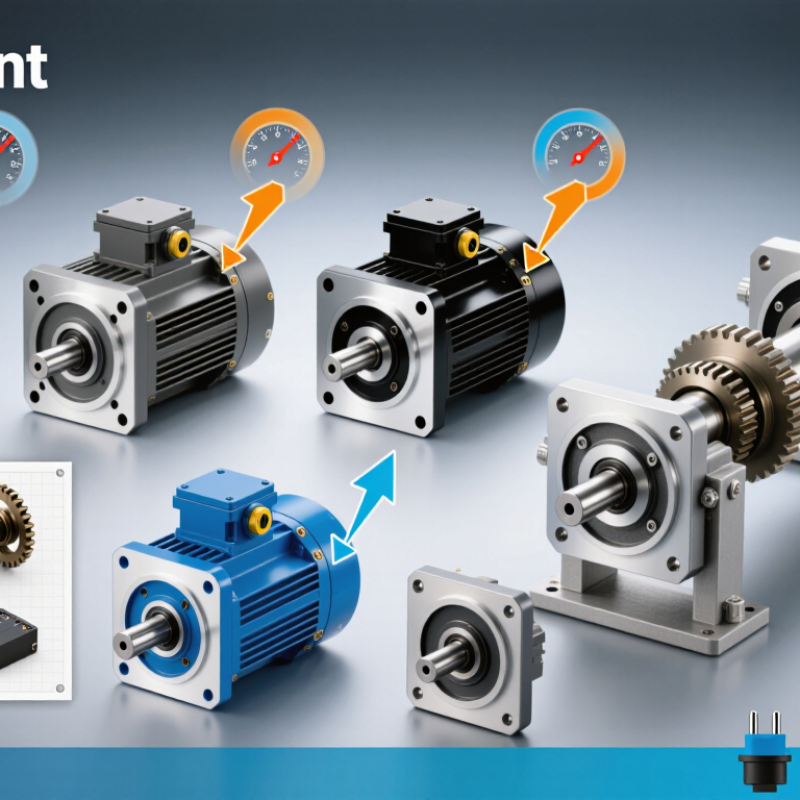
7 Best Gear Motor Kits for Global Buyers

How Gear Motor Kits Work and Where They Are Used

A gear motor kit combines an electric motor with a gearbox and, often, mounting hardware or a controller. The motor creates rotation; the gears reduce speed and increase usable torque. A small DC motor may spin quickly, but a gearbox can turn that motion into a slower push for a wheel, feeder, or sliding panel. The exact output depends on the gear ratio, motor voltage, and load. Simple in theory. Not always in practice.

These kits appear in robotics, small conveyors, adjustable furniture, workshop projects, and educational models. For example, a wheeled robot may need steady movement over a tabletop, while a feeder needs slow, repeatable turns. Buyers should check shaft dimensions, mounting holes, rated voltage, operating speed, and stall torque before choosing. A kit that fits electrically may still have the wrong shaft or mounting pattern.

Heat, noise, and duty cycle matter too. A motor that works briefly may overheat during continuous operation, especially under a heavy load. Gear materials affect wear, while lubrication and alignment influence service life. In global purchasing, confirm what the kit includes and whether its specifications use familiar units. Data sheets are useful, but real loads can behave differently. A little testing is worthwhile.

How to Evaluate Gear Motor Kits for Global Applications

For global applications, a gear motor kit should match the real load, not just the figures on its label. Check output torque and speed while the motor is working, then compare them with the machine’s operating cycle. A conveyor that starts with a full load needs different performance from a fan that runs steadily. Check voltage and frequency compatibility, too. Small mismatch, big headache.

Look closely at mounting dimensions, shaft diameter, wiring diagrams, and available installation space. These details can decide whether a kit fits without custom brackets or rewiring. Ask for test data covering temperature rise, noise, and repeated starts; a brief bench test under the intended load is even more useful. Review enclosure protection and operating temperature against the actual site conditions, such as dust, humidity, or cold storage. For international purchasing, clear documentation and access to replacement parts matter as much as delivery time. I would not rely on a single efficiency figure. It may not reflect the motor’s behavior after hours of real use, and that is easy to overlook.

7 Best Gear Motor Kits for Global Buyers — How to Evaluate Gear Motor Kits for Global Applications

Compare a kit’s power input with the nominal single-phase mains voltage used in its intended market. These are typical nominal values; actual supply conditions can vary. Check frequency and whether the kit uses AC mains or a DC power supply before selecting it.

Seven Gear Motor Kits and Their Key Features

Seven Gear Motor Kits and Their Key Features

A compact DC spur-gear kit suits small conveyors, classroom models, and lightweight mechanisms. It is simple to mount.

A planetary gear motor kit offers high torque in a short housing, useful where space is tight.

A worm-drive kit can resist back-driving, though it may run less efficiently.

A right-angle kit turns motion through 90 degrees, helping around frame corners.

Check shaft size and mounting holes before ordering.

A metal gearbox kit handles tougher loads than many plastic-housed options, but added weight matters.

An encoder-equipped kit provides speed or position feedback for controlled movement.

A low-voltage kit pairs a motor with a compatible supply and basic wiring, making setup more approachable.

Gear ratio affects both output speed and torque; a slower output is not automatically the right choice.

Compare rated voltage, duty cycle, shaft dimensions, and load requirements.

Real operating conditions can differ from a neat product table.

Tips: Leave room for wiring and ventilation. Test the motor with the actual load, not only an unloaded wheel. If it gets hot, noisy, or stalls, stop and reassess the ratio or alignment. Small mismatches count.

Comparing Torque, Speed, Voltage, and Mounting Options

Choosing among gear motor kits starts with the load, not the largest torque number. Check continuous torque and startup demand; peak or stall torque is not a safe working target. A small wheel pushing a cart over a floor seam may need a brief surge. Leave margin, because friction and real loads rarely match a tidy calculation.

Speed depends on both motor speed and gear ratio. More reduction usually increases output torque but slows the shaft. Compare output speed under load, not only the no-load figure. A neat spec sheet can still mislead. Voltage must suit the motor and its controller, while the power supply should handle startup current. Check the stated operating range rather than assuming a familiar supply will work. Fit matters.

Mounting details can decide whether a kit is usable. Measure shaft diameter, shaft length, hole spacing, and clearance around the gearbox. Also check whether the shaft is round, flat-sided, or threaded. These small details are easy to overlook. For international orders, confirm what is included: wiring, brackets, fasteners, or only the motor assembly. When specifications leave gaps, request a drawing and verify dimensions before designing around the kit. Even careful checks cannot replace a test with the actual load.

Global Sourcing, Shipping, and Compliance Considerations

Global sourcing for gear motor kits begins with a clear specification, not the lowest quote. Compare rated voltage, gear ratio, output speed, shaft dimensions, mounting pattern, and duty cycle. A motor that fits the drawing may still run too hot under continuous load. Ask suppliers for dimensional drawings, test records, and consistent part identification. Small details matter.

Before ordering, confirm how the kit will be packed and shipped. Motors can be damaged by impact, moisture, or loose components rubbing against each other. Request protective caps for exposed shafts and clear labels for cables and fasteners. For international freight, check carton dimensions, gross weight, delivery terms, and whether tracking is available. Build extra time into the schedule; customs checks and port delays are difficult to predict. A spreadsheet can miss the practical question of who handles a damaged shipment.

Compliance depends on the product and destination. Ask the supplier for applicable electrical safety and materials documentation, then verify requirements with a qualified local importer or compliance specialist. Do not assume one certificate covers every market or kit configuration. Keep invoices, technical files, and inspection records together. This takes effort. It may feel excessive for a small order, but missing paperwork can stall a much larger shipment. Recheck labels and plug details before production; buyers sometimes discover these mismatches too late.

FAQS

How does a gear motor kit work?

An electric motor creates rotation. Gears reduce speed and increase usable torque. Output depends on voltage, gear ratio, and load.

Where are gear motor kits commonly used?

They can drive tabletop robots, small conveyors, feeders, adjustable furniture, and educational models. A feeder may need slow, repeatable turns.

What should I check before choosing a kit?

Compare rated voltage, output speed, gear ratio, stall torque, and duty cycle. Check the shaft and mounting holes too.

Why do shaft dimensions and mounting holes matter?

A kit may match your electrical requirements but still fail to fit the frame. Measure the shaft and hole spacing before ordering.

Can a motor overheat during use?

Yes. Continuous operation or a heavy load can create excess heat. Check the duty cycle, and test the motor under realistic conditions.

What should I ask about shipping and packing?

Confirm carton dimensions, gross weight, delivery terms, and tracking. Ask for shaft caps and secure packing for cables and loose fasteners.

What documents should I request?

Ask for dimensional drawings, test records, and relevant electrical safety and materials documents. Verify destination requirements with a qualified local specialist.

Why test a kit before relying on its specifications?

Data sheets help, but real loads can behave differently. The drawing may look perfect. Real use can disagree. A small test can reveal heat, noise, or fit problems.

Conclusion

Gear Motor Kits combine a motor and gearbox to deliver controlled speed and torque for applications such as conveyors, automation equipment, and compact machinery. Choosing the right kit involves looking beyond basic power ratings: consider the required load, operating speed, duty cycle, voltage, efficiency, available space, and mounting arrangement. Comparing these factors across seven representative kit types can help buyers understand how different configurations suit different performance needs.

For global applications, confirm that a kit’s specifications match the equipment and local power supply, and check documentation, packaging, shipping arrangements, and applicable product compliance requirements before ordering. Careful comparison of torque, speed, voltage, and mounting options helps reduce compatibility issues and supports a smoother purchasing process. A well-matched Gear Motor Kits selection can provide dependable motion control while fitting the project’s installation and operating requirements.

Aria

Aria

Aria is a dedicated marketing professional with a deep passion for innovative strategies and a keen understanding of our company's product offerings. With a wealth of experience in the industry, Aria excels at crafting engaging content that highlights the unique features and benefits of our......